
The First-Month Playbook: How to Manage Weeks 1 Through 4 Without Torching Your Season
More fantasy seasons are lost in September than in any other month, and almost never by the players you drafted. A week-by-week operating manual for the season's most overreactive stretch.
 By Nolan Gaffney · Founder, LeagueLocks · Sep 12, 2026 · 8 min read
 Early Season
Drafting gets all the content, but September management is where fantasy seasons are actually decided. The first month is when sample sizes are tiny, FAAB budgets are full, trade partners are emotional, and every mistake is still recoverable. Here's the month, week by week, as an operating manual.
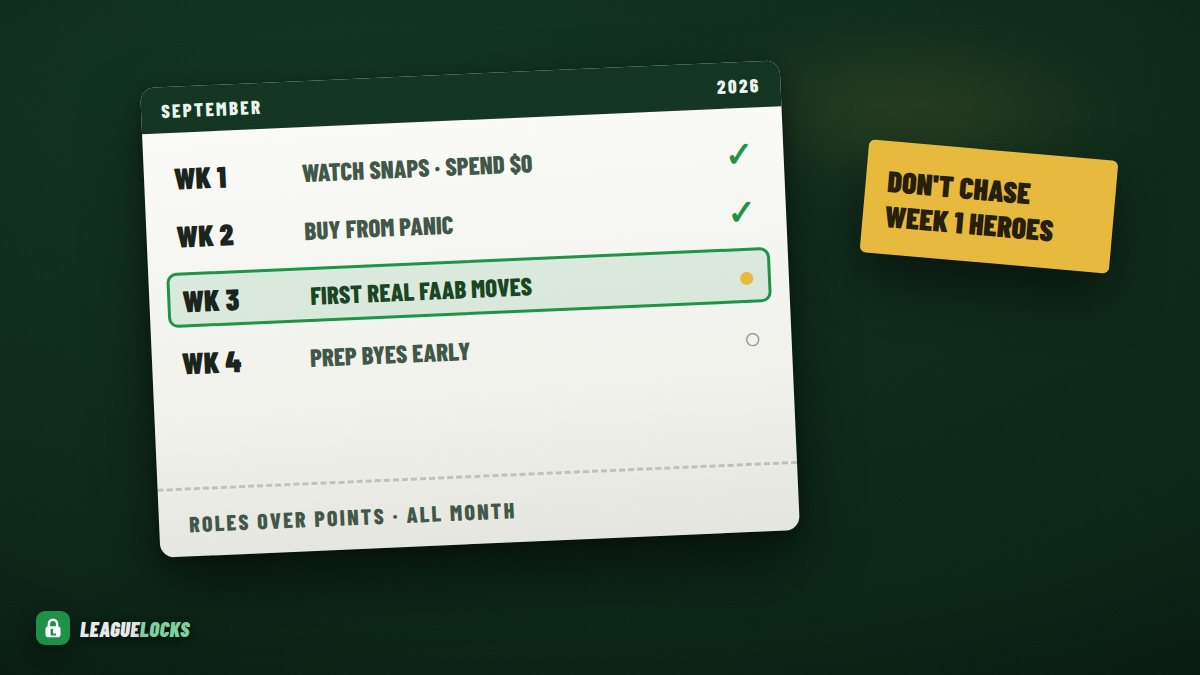
Week 1: collect evidence, spend nothing
Your only real job in Week 1 is observation. Read the snap counts for every roster player: who played 70% of snaps, who split work, who ran routes in the two-minute drill. Usage after one week is signal; points after one week are mostly noise. The discipline move is making a written note of every role surprise, good and bad, and doing absolutely nothing else. The waiver hero of Week 1 is usually a mirage, and the manager who burned $40 on him funds someone else's October.
Week 2: the panic market opens
Week 2 is when 0-1 managers start selling, and the numbers say they're early: a Week 1 loss drops playoff odds, but nowhere near as much as the group chat thinks. This is the week to send lowball-adjacent offers for proven veterans who had quiet openers. Not insulting ones, just offers priced at the discount panic creates. Your own quiet starters follow the same rule in reverse: a proven player's bad opener is a hold, close to always. The one exception worth acting on is a role change you can see in the snaps, not the score.
Week 3: the first real decisions
Two weeks of usage is a trend worth acting on. The back who's played under 40% of snaps twice is not going to magically become the workhorse you drafted; start planning around the player he actually is. This is also the correct week for your first meaningful FAAB spends, because roles that survived two weeks tend to survive the month. The classic Week 3 move is buying the ascending role player before his first big game, not after it. Route participation climbing, targets climbing, points not yet arrived: that's the profile the waiver market underprices.
Week 4: solve the bye-week math early
Byes start in Week 5 or 6, and the manager who looks at the schedule on Wednesday of Week 4 beats the one discovering three holes on Sunday morning. Audit your starters' bye weeks now, make the cheap streaming pickups a week before you need them, and use the pre-bye week to trade from surplus: the manager missing three starters next week values your bench depth more today than he did in August. September's last gift is that everyone can still tell themselves they're contending, which makes it the easiest month of the season to make a fair trade.
The month's one meta-rule
Every September mistake is a version of the same error: reacting to points instead of roles. Points arrive late; roles arrive first. The manager who tracks usage, sits on his budget until trends confirm, buys from panic, and preps byes a week early has banked a structural advantage before October even starts, and none of it required being right about a single player. For crews running a LeagueLocks league alongside fantasy, it's the same skill: one checkable reason beats one loud feeling, every week of the year.
Sources are linked where they're used in the article above. Stats and lines are as reported by the cited outlets at publish time. LeagueLocks is not affiliated with the NFL or any team.
Comments
Loading…
More Fantasy Strategy
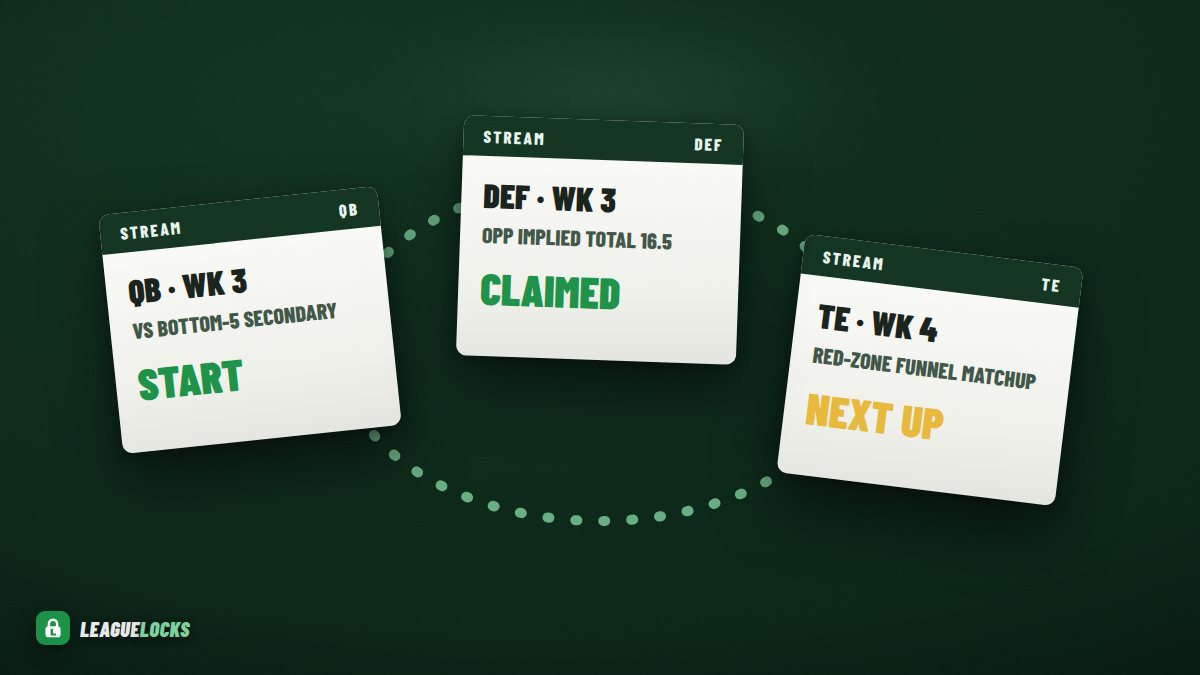
Streaming 101: How to Win Positions You Refuse to Draft
Quarterbacks, tight ends, and defenses can be rented weekly off the wire instead of owned. The matchup logic, the two-week planning trick, and where streaming quietly breaks down.
Sep 12, 2026 · 7 min read
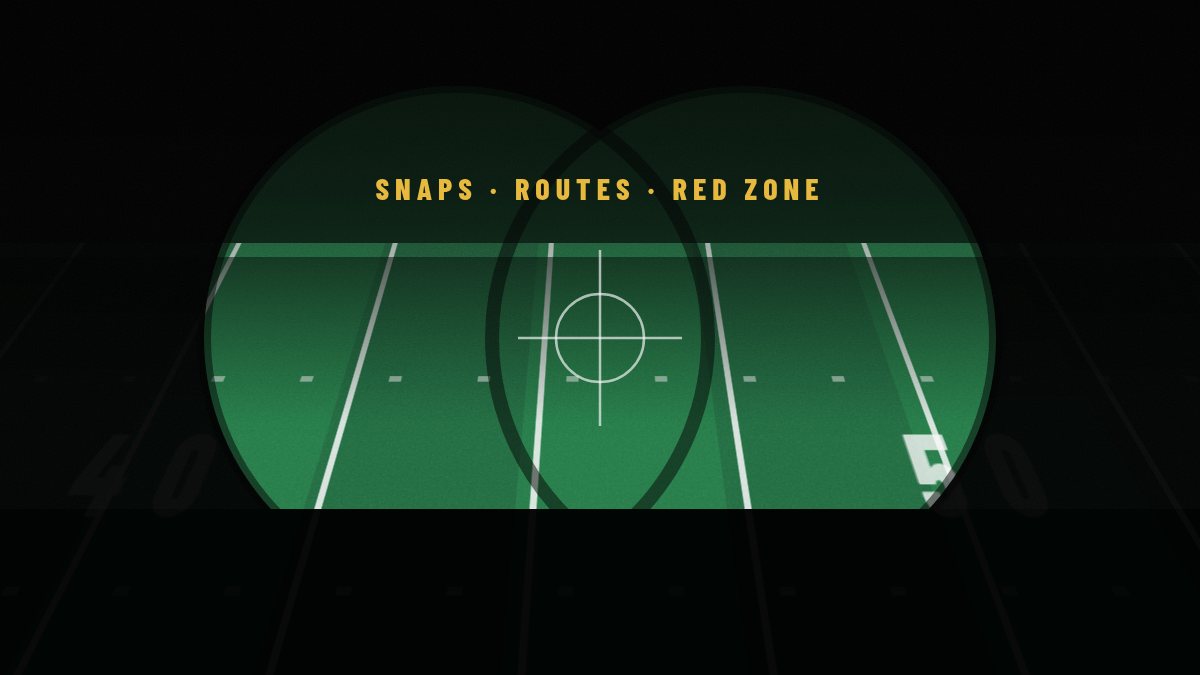
How to Watch Week 1 Like a Scout: The Five Numbers That Matter Before Anyone's Fantasy Points Do
Box scores lie in Week 1; usage doesn't. Snap shares, route participation, red-zone touches, two-minute duty, and who's on the field in garbage time, a viewing checklist that turns Sunday's games into Tuesday's waiver-wire edge.
Sep 9, 2026 · 7 min read
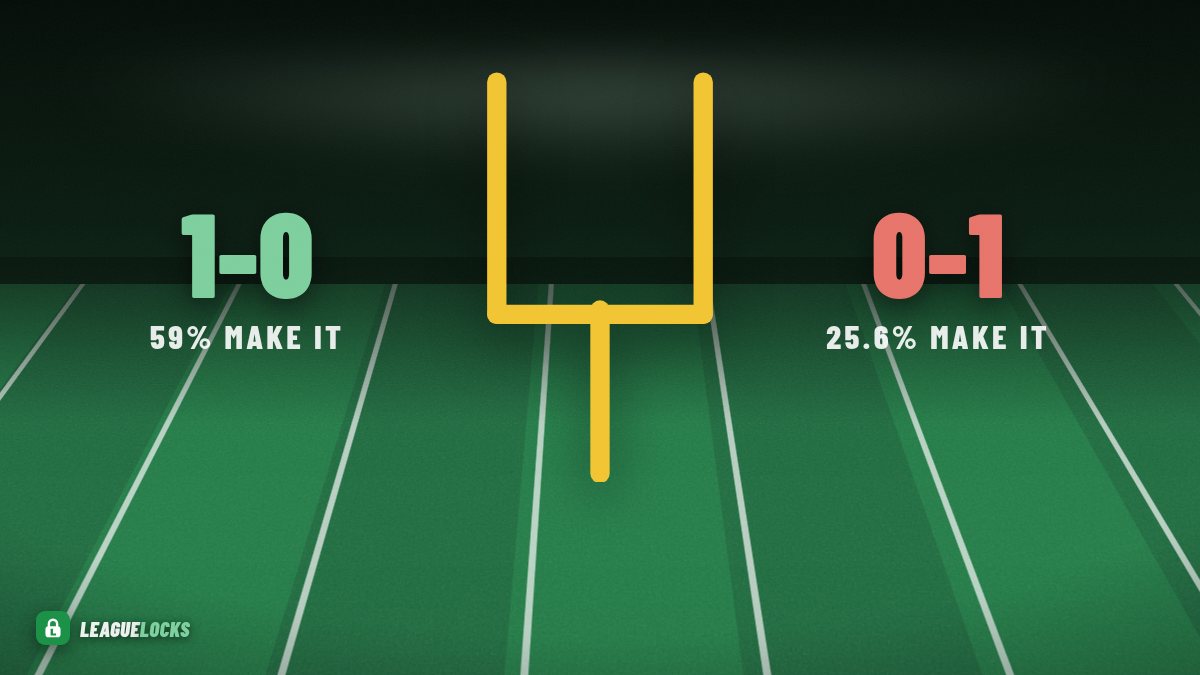
Overreaction Season Is Here: What a Week 1 Result Actually Predicts (With Ten Years of Numbers)
Teams that win their opener make the playoffs 59% of the time; teams that lose it, 25.6%. That gap is real, and it's also exactly why the week after the opener is the most expensive week of the year to have opinions. Here's how to read Week 1 without getting played by it.
Sep 3, 2026 · 7 min read